There is a specific kind of magic that happens in a Mediterranean kitchen when the scent of dried mint meets a simmering pot of garlic-infused tomato broth. Kousa, or Lebanese stuffed grey squash, is more than just a meal; it is a labor of love that represents the pinnacle of Levantine comfort food. When you lift the lid of a heavy pot to find tender, pale-green squashes nestled together, you know you are about to experience a dish that has been perfected over generations.
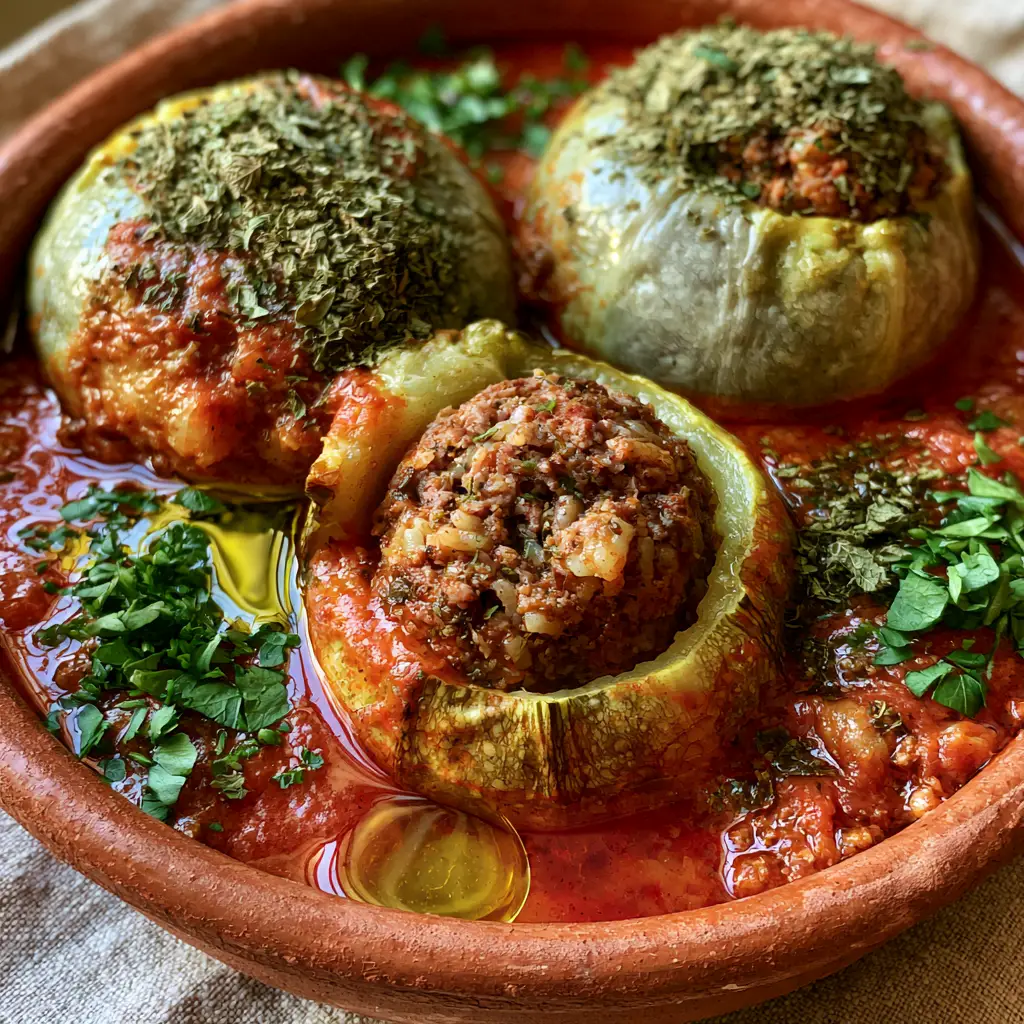
Imagine a rustic terracotta bowl filled with three perfectly steamed squashes, their skins shimmering under a light drizzle of golden extra virgin olive oil. As you slice into the center, the squash yields effortlessly, revealing a steaming, tightly packed filling of aromatic short-grain rice and savory ground beef. This is the visual and culinary promise of traditional Kousa, a dish that balances the earthy sweetness of squash with a rich, vibrant red broth.
Whether you grew up eating this at your Teta’s table or you are discovering the wonders of stuffed vegetables for the first time, this guide will walk you through the forensic details of achieving the perfect texture and flavor. We are diving deep into the art of coring, the science of the “hashweh” (filling), and the secret to a broth so savory you’ll want to sip it with a spoon long after the squash is gone.
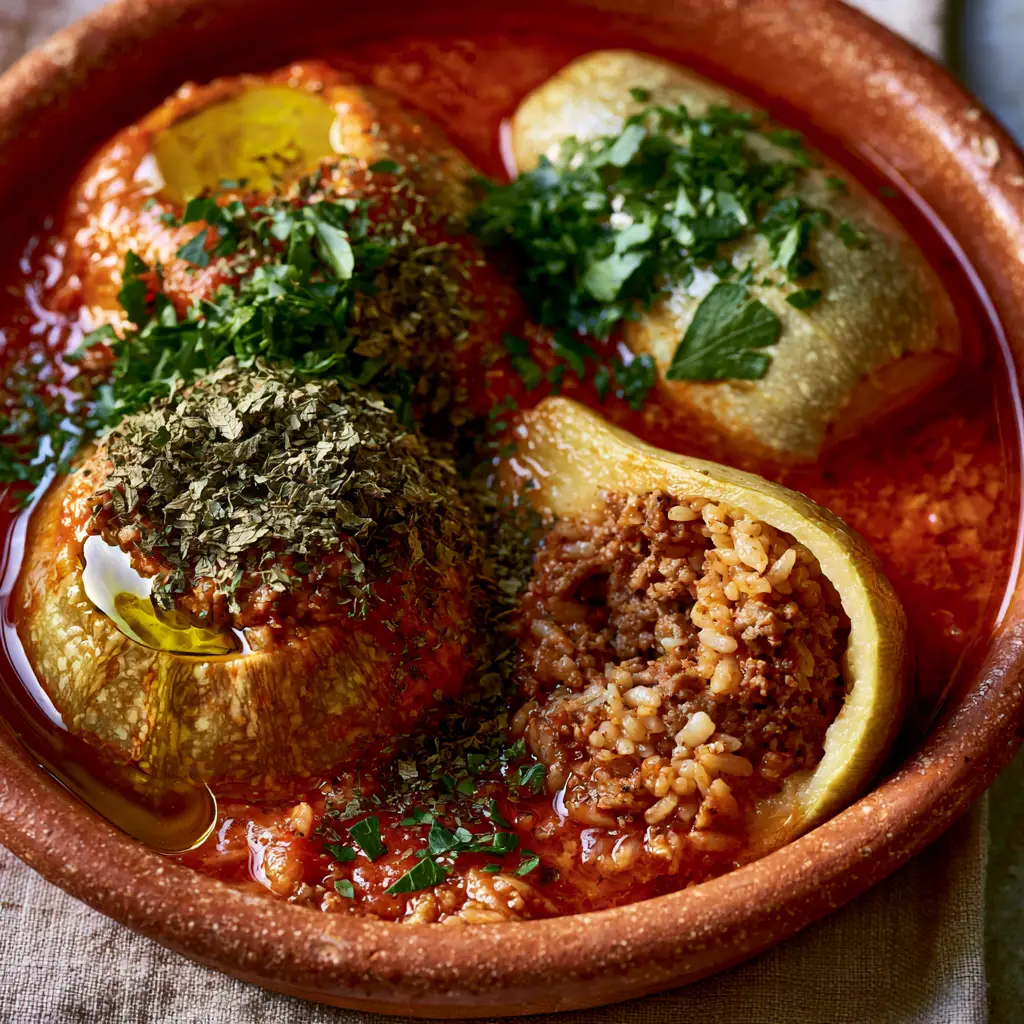
The Visual and Culinary Appeal of Authentic Lebanese Stuffed Squash
To master the Kousa experience, one must understand the delicate balance of textures and colors that define this iconic dish. It is a sensory journey that starts with the eyes and ends with a deeply satisfied palate.
- Tender steamed grey squash: The exterior must be soft enough to cut with a fork but structurally sound enough to hold the steaming filling without collapsing into the broth.
- Aromatic Spiced Filling: A blend of short-grain rice and finely ground meat, seasoned with a warm spice profile that creates a “steaming, tightly packed” center as described in our visual blueprint.
- Rich Garlic Tomato Broth: Not a thin soup, but a “glossy and thick” environment that deeply penetrates the squash during the simmering process.
- The Garnish Trifecta: A generous sprinkling of dried mint, finely chopped fresh flat-leaf parsley, and a visible drizzle of extra virgin olive oil to catch the light and add a final layer of floral, peppery fat.
The Essential Pantry for Authentic Lebanese Mahshi
Achieving the forensic visual accuracy of Lebanese Kousa requires specific ingredients. Substitutions are possible, but for that “unedited, high-quality” look and taste, these are your non-negotiables.
Grey Squash (Kousa): 12-15 medium (approx. 1.5kg (3.3lbs)) small grey squashes. These are paler and more bulbous than standard zucchini, offering a sweeter, more delicate flavor profile that is essential for this dish.
Short-Grain Rice: 1.5 cups (300g) Egyptian or Calrose rice. Short-grain rice is critical because it contains more starch, allowing the filling to become “tightly packed” and moist rather than falling apart like long-grain varieties.
Lean Ground Beef: 1 lb (450g) finely ground beef. The meat provides the savory backbone of the filling; ensure it is finely ground to integrate perfectly with the rice grains.
Tomato Paste & Purée: 6 oz (170g) tomato paste plus 1 cup (240ml) tomato purée. This combination ensures the broth is “rich, vibrant red” and possesses the thickness required to coat the back of a spoon.
Fresh Garlic: 8-10 cloves (approx. 40g), crushed. In Lebanese cooking, garlic isn’t just a hint; it’s a primary flavor component of the broth that pairs naturally with the mint.
Dried Mint Flakes: 2 tbsp (4g) dried mint. This is the “secret” ingredient that defines the aroma of Kousa; it adds a cooling, herbal depth that cuts through the richness of the beef.
Extra Virgin Olive Oil: 4 tbsp (60ml) for the broth and drizzling. A high-quality oil provides that “golden drizzle” that catches the light in the final presentation.
Warm Spice Blend (Baharat): 1.5 tsp (4g) ground cinnamon, 1 tsp (3g) allspice, and 1/2 tsp (1g) black pepper. These “invisible” spices create the aromatic profile found in the best Middle Eastern kitchens.
Must-Have Tools for the Professional Home Cook
While the ingredients provide the flavor, your tools provide the structure. To get that perfectly cored squash seen in professional food photography, you need the right equipment.
Manara (Squash Corer): A long, thin, serrated tool designed specifically to hollow out the squash without piercing the skin. If you don’t have one, a narrow apple corer can work in a pinch.
Large Heavy-Bottomed Pot: A 7-8 quart (approx. 7 liter) Dutch oven or stockpot is necessary to submerge the squashes in the broth without crowding them.
Mixing Bowl: A large bowl to comfortably massage the rice, meat, and spices together by hand, ensuring even distribution.
Small Funnel or Spoon: Useful for guiding the filling into the narrow openings of the squash.
The Step-by-Step Architecture of Perfect Kousa
Building Kousa is a process of layers. We begin with the preparation of the vessel, move to the engineering of the filling, and finish with a slow, controlled simmer.
Prepping the Grey Squash
Wash the squashes and pat them dry. Trim the woody stem end, but be careful not to cut too much off; you need a sturdy opening. Using your corer, gently hollow out the center, leaving about a 1/4 inch (6mm) wall all around. Visual Cue: The squash should look like a hollowed translucent tube; be careful not to puncture the bottom or sides!
Mixing the Traditional Hashweh Filling
Rinse your short-grain rice until the water runs clear to remove excess surface starch. In a large bowl, combine the rice, ground beef, 1 tbsp (15ml) of olive oil, and your spice blend. Knead the mixture with your hands until the meat is evenly dispersed throughout the rice grains. This ensures every bite of the Kousa has a balanced ratio of protein and starch.
The Art of Stuffing (Avoid the Blowout!)
Gently push the filling into the squashes using your pinky finger or the handle of a small spoon. Pro Tip: Only fill the squash about 3/4 of the way full. The rice needs room to expand as it absorbs the broth; overfilling is the primary reason squashes split during cooking. Tap the squash on the counter to settle the filling naturally.
Constructing the Glossy Tomato Garlic Broth
In your large pot, whisk together the tomato paste, tomato purée, crushed garlic, and 6 cups (1.4 liters) of water or light beef broth. Season with salt to taste. Place the stuffed squashes into the pot, ensuring they are “submerged in a rich, vibrant red tomato and garlic broth” as described in our Midjourney prompt. If they float, you can place a small inverted plate on top to keep them submerged.
The Simmer and Sensory Cues
Bring the pot to a boil, then immediately reduce to a gentle simmer. Cover and cook for 50-60 minutes. Sensory Cue: You will know it’s ready when the squash is pale-green and tender enough that a knife slides in with zero resistance, and the kitchen smells heavily of garlic and warm spices.
Expert Tips for Visual and Culinary Success
- The “Salt Soak”: After coring, some chefs lightly salt the inside of the squashes and let them sit for 10 minutes before stuffing. This seasons the vegetable from the inside out.
- The Mint Timing: Add half of the dried mint to the broth at the start and the other half in the last 5 minutes of cooking. This ensures a deep background flavor and a bright, aromatic finish.
- Don’t Waste the Core: The “flesh” you remove can be sautéed with onions and eggs for a delicious breakfast, similar to how you might use leftover ingredients in a zucchini casserole.
- Vibrant Color: To keep the broth “vibrant red” and glossy, avoid boiling it vigorously, which can emulsify the fats and turn the sauce cloudy.
Storage, Reheating, and Make-Ahead Advice
Kousa actually tastes better the next day as the flavors of the garlic and mint further penetrate the rice filling. Store any leftovers in an airtight container in the refrigerator for up to 4 days.
To reheat, place the squashes and broth in a small saucepan over medium-low heat. Add a splash of water if the broth has thickened too much in the fridge. Avoid microwaving on high power, as this can cause the rice to expand rapidly and burst the squash skins.
We do not recommend freezing the cooked squash, as the cellular structure of the grey squash breaks down when thawed, resulting in a mushy texture. However, you can core the squashes a day in advance and keep them in a bowl of salted water in the fridge.
What to Serve With Lebanese Stuffed Squash
While Kousa is a complete meal on its own, it is traditionally served with a side of plain whole-milk yogurt or a crisp salad to provide a cool contrast to the hot, savory broth.
For a full Mediterranean spread, consider pairing this with a refreshing creamy cucumber salad or even some classic stuffed peppers for a colorful vegetable-heavy feast. If you have extra filling, you can use it to make a quick aromatic rice pilaf on the side. For those looking for a lower-carb accompaniment, a summer vegetable gratin makes a lovely textured side dish.
Frequently Asked Questions About Kousa
Yes, you can use standard zucchini, but look for small, firm ones. Grey squash is preferred because it has thinner skin and a sweeter flavor that complements the broth better.
For an authentic Kousa Mahshi, finely ground beef or lamb is traditional. However, you can make a vegetarian version (Kousa Bil Zeit) by replacing the meat with extra rice, chickpeas, and chopped tomatoes.
Dried mint provides a cooling, aromatic counterpoint to the heavy garlic and savory beef. It is the signature flavor profile of traditional Lebanese stuffed vegetables.
Use a specialized manara (squash corer) and work slowly with a twisting motion. Stop frequently to check the thickness of the walls by feeling the outside of the squash.
Splitting is usually caused by overfilling the squash. Since short-grain rice expands significantly as it cooks, you must leave the top quarter of the squash empty.
The Ultimate Lebanese Kousa Mahshi Recipe
Kousa Mahshi: Authentic Lebanese Stuffed Squash in Garlic Tomato Broth
Ingredients
Equipment
Method
- Trim the stems of the grey squash. Use a manara or corer to hollow out the insides, leaving a 1/4 inch wall. Be careful not to pierce the bottom.
- Mix the rinsed short-grain rice, ground beef, spices, and 1 tbsp of olive oil in a bowl until thoroughly combined.
- Stuff the squashes 3/4 full with the rice mixture. Do not pack too tightly to allow for rice expansion.
- Whisk tomato paste, garlic, and water in a large pot. Add squashes and simmer for 60 minutes until tender. Top with dried mint and parsley before serving.
Notes
Use dried mint specifically for the most authentic aroma.
Bringing the Heart of Lebanon to Your Table
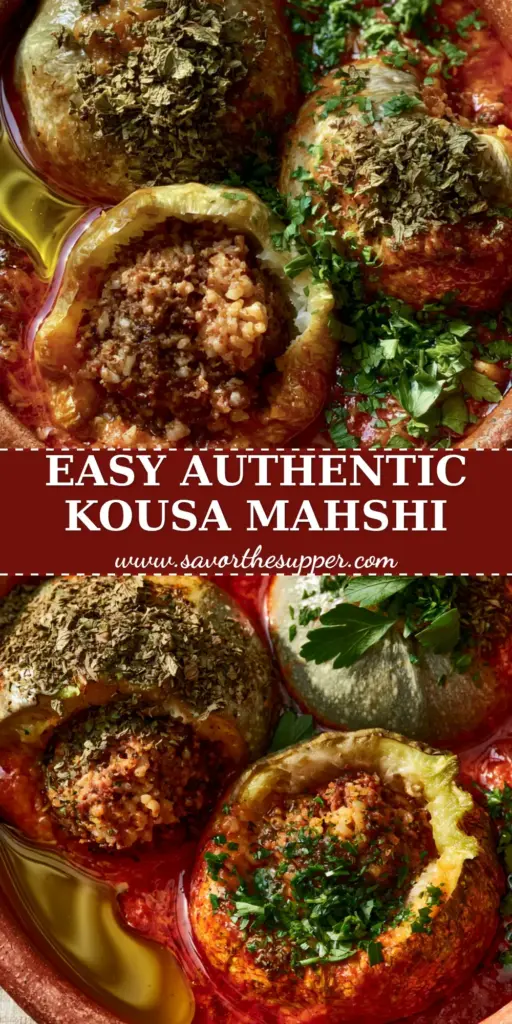
Mastering Kousa is a rite of passage for any home cook interested in the rich tapestry of Middle Eastern cuisine. The combination of the “tender steamed grey squash” and that “rich garlic tomato broth” creates a meal that is both light and incredibly satisfying. We hope this forensic guide helps you achieve that perfect terracotta-bowl-worthy result in your own kitchen.
If you enjoyed this recipe, please leave a comment below and let us know how your squash turned out! Don’t forget to sign up for our newsletter for more authentic recipes and share this post with your friends on Pinterest to save it for your next Sunday dinner.