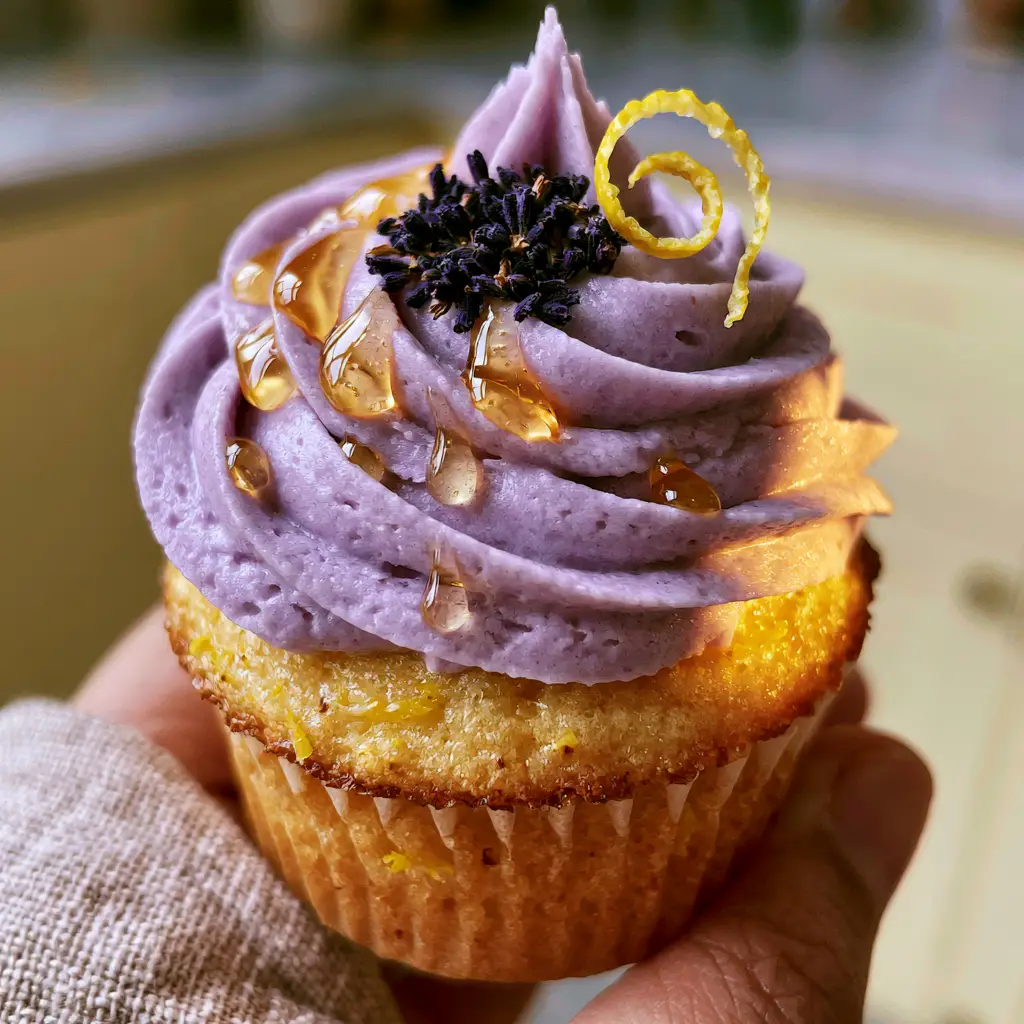
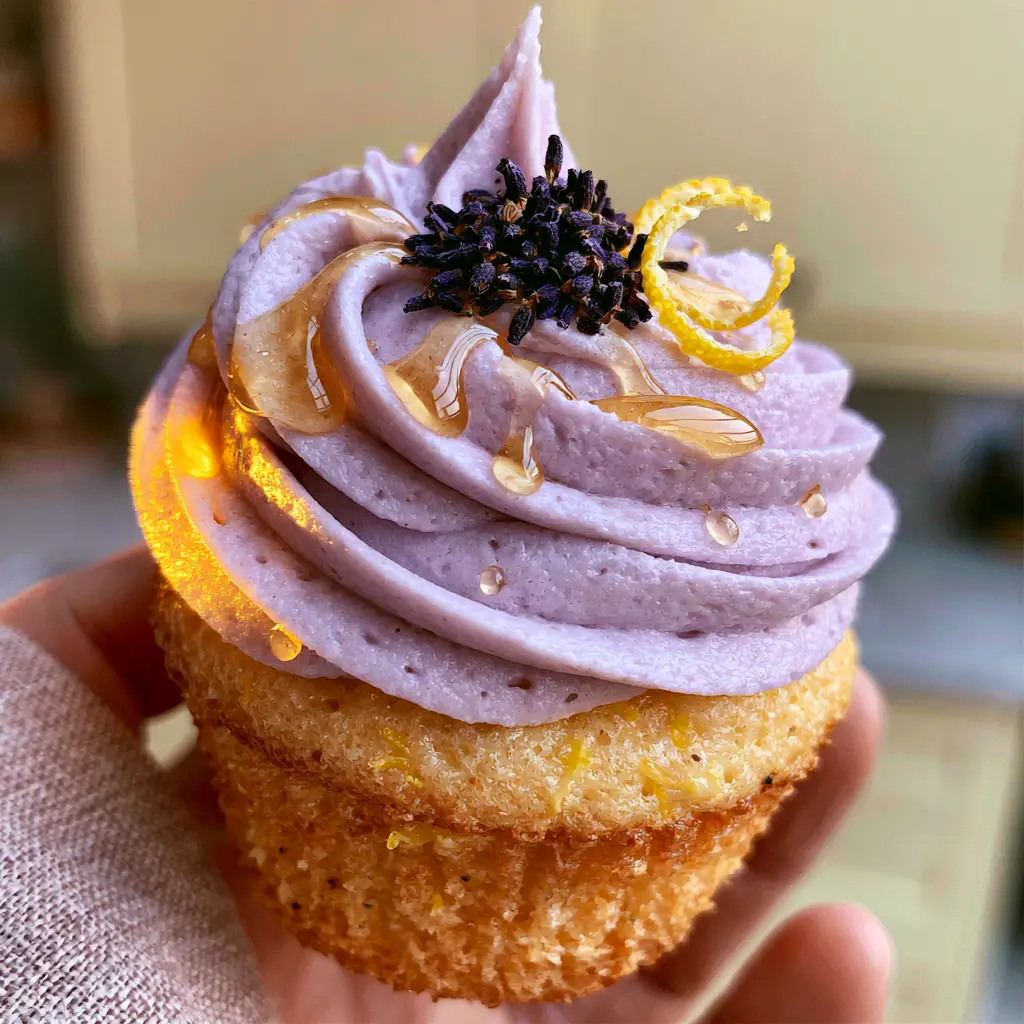
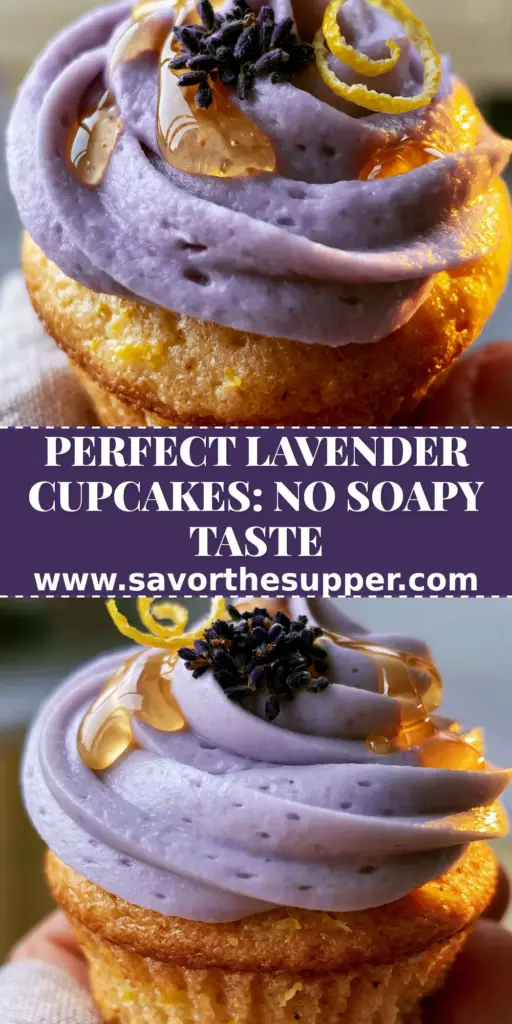
There is a specific kind of magic that happens when the golden hour light hits a perfectly piped tray of lavender cupcakes. Imagine holding a single gourmet treat in a soft linen-covered hand, the warmth of the afternoon sun illuminating a massive, architecturally perfect swirl of pastel-purple frosting. This isn’t just a dessert; it is a sensory experience that balances the earthy, floral notes of culinary lavender with the bright, acidic pop of fresh lemon zest.
Creating the ultimate lavender cupcakes requires more than just a recipe; it requires an understanding of how floral aromatics interact with fats and sugars. If you have ever enjoyed a lavender cold foam in your morning coffee, you know that the secret lies in subtlety. We are aiming for a sophisticated botanical profile, not a soapy one. These cupcakes feature a moist, golden-brown sponge flecked with lemon zest and crowned with a thick, silky honey buttercream that holds its sharp peaks with professional precision.
In this guide, we will dive deep into the culinary science of infusing lavender, the structural requirements of honey-infused frosting, and the forensic details needed to recreate the stunning visual of glistening honey drizzles and delicate lemon spirals. Whether you are planning a garden party or looking for Disney-inspired treats to brighten your weekend, these cupcakes are the definitive answer.
Why These Botanical Cupcakes Stand Out
- Perfectly Balanced Aromatics: We use a dual-infusion method to ensure the lavender is present but never overpowering, perfectly complemented by a bright lemon-flecked base.
- Structural Frosting Integrity: The honey buttercream is formulated to be thick and matte, allowing for massive, architectural swirls that won’t slump under the weight of a honey drizzle.
- Gourmet Textural Contrast: From the fluffy, moist golden sponge to the glistening, translucent honey and the crunch of dried culinary lavender buds, every bite offers a new sensation.
- High-End Aesthetic: With a precise pinch of dark purple buds and a delicate yellow lemon zest spiral, these cupcakes look like they stepped out of a high-end food photography studio.
Essential Ingredients for the Perfect Golden-Brown Sponge
All-Purpose Flour: 1 ½ cups (190g). This provides the structural framework for our cupcakes, ensuring they rise high without becoming too dense or bready.
Granulated Sugar: 1 cup (200g). Sugar does more than sweeten; it tenderizes the crumb by slowing down gluten development and helps achieve that beautiful golden-brown exterior.
Unsalted Butter: ½ cup (113g), softened. High-quality butter is essential for the “creaming method,” which incorporates air bubbles into the batter for a light, fluffy texture.
Large Eggs: 2 units, room temperature. Eggs provide emulsification and structure, helping the lemon-flecked cake base hold its shape while remaining moist.
Sour Cream: ½ cup (120ml). The secret to a gourmet cupcake is acidity and fat; sour cream adds a subtle tang that pairs beautifully with lavender while ensuring a moist crumb.
Whole Milk: ¼ cup (60ml). This acts as the carrier for our lavender infusion, drawing out the essential oils from the dried buds to distribute flavor evenly.
Culinary Lavender: 1 tbsp (2g), dried. Ensure you use “culinary grade” to avoid the perfumes found in decorative lavender; we will grind half and infuse half for a layered flavor.
Fresh Lemon Zest: 1 tbsp (6g). Tiny visible specks of zest in the batter provide a concentrated citrus burst that cuts through the floral notes.
Leavening Agents: 1 ½ tsp (6g) baking powder and ¼ tsp (1.5g) salt. Baking powder provides the lift, while salt enhances the subtle honey and floral flavors.
The Secrets to Architectural Honey Buttercream
Unsalted Butter: 1 cup (226g), very cold then slightly softened. For sharp, matte peaks, we start with cooler butter than a standard American buttercream to maintain a thicker consistency.
Powdered Sugar: 3-4 cups (360-480g). This provides the volume and “body” needed for the massive swirls seen in high-end food photography.
Wildflower Honey: 2 tbsp (42g). Honey adds a unique viscosity and a floral sweetness that complements the lavender perfectly.
Heavy Cream: 1-2 tbsp (15-30ml). This creates the silky, matte texture that looks so smooth in macro photos.
Lavender Extract and Purple Gel Color: A drop of each. Gel color is vital; liquid food coloring will thin out the frosting and ruin the sharp peaks we need for that pastel-purple look.
Tools Required for Professional Results
To achieve the “macro-ready” look of our lavender cupcakes, you will need a few specific tools. A high-quality muffin tin lined with neutral or white liners is essential to keep the focus on the golden-brown sponge. For the frosting, a large open star tip (like a Wilton 1M or 2D) is necessary to create those massive, architecturally perfect swirls. I also recommend a microplane for the finest lemon zest specks and a pair of culinary tweezers for the precise placement of the lavender buds and lemon spiral.
Step-by-Step Instructions: Crafting the Lavender Cupcakes
Step 1: The Lavender and Lemon Infusion
Begin by heating your milk in a small saucepan over low heat until it just begins to simmer. Remove from heat and stir in 1 tsp (0.5g) of your culinary lavender buds. Let this steep for 10 minutes, then strain through a fine-mesh sieve, discarding the buds. This ensures a clean lavender flavor without the “twiggy” texture. While the milk cools, zest your lemon directly into your sugar, rubbing the zest and sugar together with your fingertips until fragrant and yellow-flecked.
Step 2: Building the Golden-Brown Sponge
Preheat your oven to 350°F (175°C). In a large bowl, cream together the lemon-infused sugar and softened butter for a full 5 minutes until the mixture is pale and voluminous. Add the eggs one at a time, beating well after each addition. In a separate bowl, whisk your flour, baking powder, and salt. Gradually add the dry ingredients to the butter mixture, alternating with the lavender-steeped milk and sour cream. Stop as soon as the last streak of flour disappears to avoid overworking the gluten.
Step 3: Achieving the Perfect Bake
Divide the batter evenly among 12 cupcake liners. Bake for 18-22 minutes. You are looking for a specific visual cue: the tops should be slightly domed and a beautiful golden-brown, with tiny visible specks of lemon zest peeking through the surface. A toothpick inserted into the center should come out clean. Transfer to a wire rack and let them cool completely. Frosting a warm cupcake is the fastest way to lose those sharp, architectural peaks.
Step 4: Whipping the Matte Honey Buttercream
Beat the butter on medium-high speed for 3 minutes until very smooth. Add 2 cups of powdered sugar and the honey, beating on low to incorporate. Increase the speed and add the remaining sugar, heavy cream, lavender extract, and a tiny toothpick-swipe of purple gel coloring. Whip for another 4 minutes. The frosting should be thick, matte, and hold a stiff peak when the whisk is lifted.
Step 5: The Architectural Swirl and Garnish
Fit a piping bag with a large star tip and fill with the pastel-purple frosting. Starting in the center of the cupcake, pipe a small mound, then circle around the edge and spiral upward into a massive, tall peak. Use a small spoon to artfully drizzle glistening golden honey over the swirl. Finish with a precise pinch of dark purple lavender buds and one delicate lemon zest spiral. Serve on a soft linen napkin for the full gourmet effect.
Expert Tips for Bakery-Quality Success
- Avoid the “Soap” Trap: Always use culinary-grade lavender and stick to the infusion method. Adding too many whole buds to the batter can create an unpleasant, perfume-like aftertaste.
- Temperature Control: Ensure your eggs and sour cream are at room temperature. Cold ingredients can cause the batter to break, leading to a greasy cupcake instead of a fluffy, golden one.
- The Honey Drizzle Timing: Only drizzle the honey right before serving. Honey is hygroscopic, meaning it pulls moisture from the air and the frosting, which can cause the sharp peaks of your buttercream to soften over time.
- Zest Like a Pro: For the spiral garnish, use a channel knife or a very sharp paring knife to remove only the yellow zest in a long, thin strip, avoiding the bitter white pith.
Storage, Reheating, and Make-Ahead Advice
These lavender cupcakes are best enjoyed the day they are made, especially once the honey drizzle is applied. However, you can store unfrosted cupcakes in an airtight container at room temperature for up to 2 days. The honey buttercream can be made in advance and stored in the fridge for up to a week; simply bring it back to room temperature and re-whip it before piping to restore its silky, matte texture. I do not recommend freezing the frosted cupcakes, as the honey drizzle and lavender buds will not thaw gracefully.
What to Serve with Lavender Lemon Cupcakes
These floral treats are the star of any spread, but they pair wonderfully with other garden-fresh dishes. For a light lunch, consider an adult lunchable featuring goat cheese and apricots, which echoes the honey and floral notes of the cupcakes. If you are hosting a larger gathering, a crisp cucumber salad provides a refreshing, watery crunch that cleanses the palate between bites of rich buttercream. For a more savory pairing, these cupcakes surprisingly complement a summer vegetable gratin, where the lemon in the cake mirrors the bright flavors of the seasonal produce.
Frequently Asked Questions
Yes, but use three times the amount of fresh lavender as dried. Ensure it is specifically culinary-grade and free of pesticides. Dried lavender is generally preferred for its more concentrated, consistent flavor profile.
Use a channel knife to peel a long, thin strip of zest from a firm lemon. Wrap the strip tightly around a clean straw or skewer for 30 seconds to set the curl before placing it on the frosting.
Honey is a liquid sweetener, so adding too much can soften the frosting. Ensure your butter is slightly cool (not melted) and add the honey slowly. If it’s too soft, add more powdered sugar half a cup at a time until sharp peaks form.
Not if you follow the infusion method! By steeping the lavender in milk and straining it, you capture the floral essence without the bitter, soapy texture of biting into whole buds.
The Ultimate Lavender Cupcakes Recipe
Lavender Cupcakes with Lemon Zest and Honey Buttercream Swirls
Ingredients
Equipment
Method
- Heat milk until simmering, add 1 tsp lavender, steep for 10 minutes, then strain.
- Cream butter and lemon-infused sugar until pale and fluffy, about 5 minutes.
- Add eggs one at a time. Alternately add dry ingredients, lavender milk, and sour cream until just combined.
- Bake at 350°F (175°C) for 18-22 minutes until golden-brown and lemon-flecked.
- Whip butter, honey, powdered sugar, and cream until stiff, matte peaks form. Tint with purple gel.
- Pipe massive architectural swirls onto cooled cupcakes using a large star tip.
- Drizzle with honey, sprinkle with lavender buds, and add a lemon zest spiral.
Notes
Drizzle the honey immediately before serving to maintain the frosting's sharp peaks.
Bring the Garden to Your Kitchen
These lavender cupcakes are more than just a sweet treat; they are a testament to how thoughtful ingredients and precise techniques can create something truly extraordinary. The combination of the golden-brown lemon sponge and the architectural honey buttercream is sure to impress any guest. If you enjoyed this recipe, please leave a comment below and let me know how yours turned out! Don’t forget to share your creations and follow me on Pinterest for more gourmet inspiration.