If you are searching for a dish that perfectly marries the smoky essence of a flame-grilled feast with the velvety comfort of a tropical stew, this authentic Kuku Paka recipe is your culinary destination. Originating from the vibrant coast of East Africa, specifically the Swahili regions of Kenya and Tanzania, this dish is a sensory masterpiece that stands out in the crowded world of chicken curries.
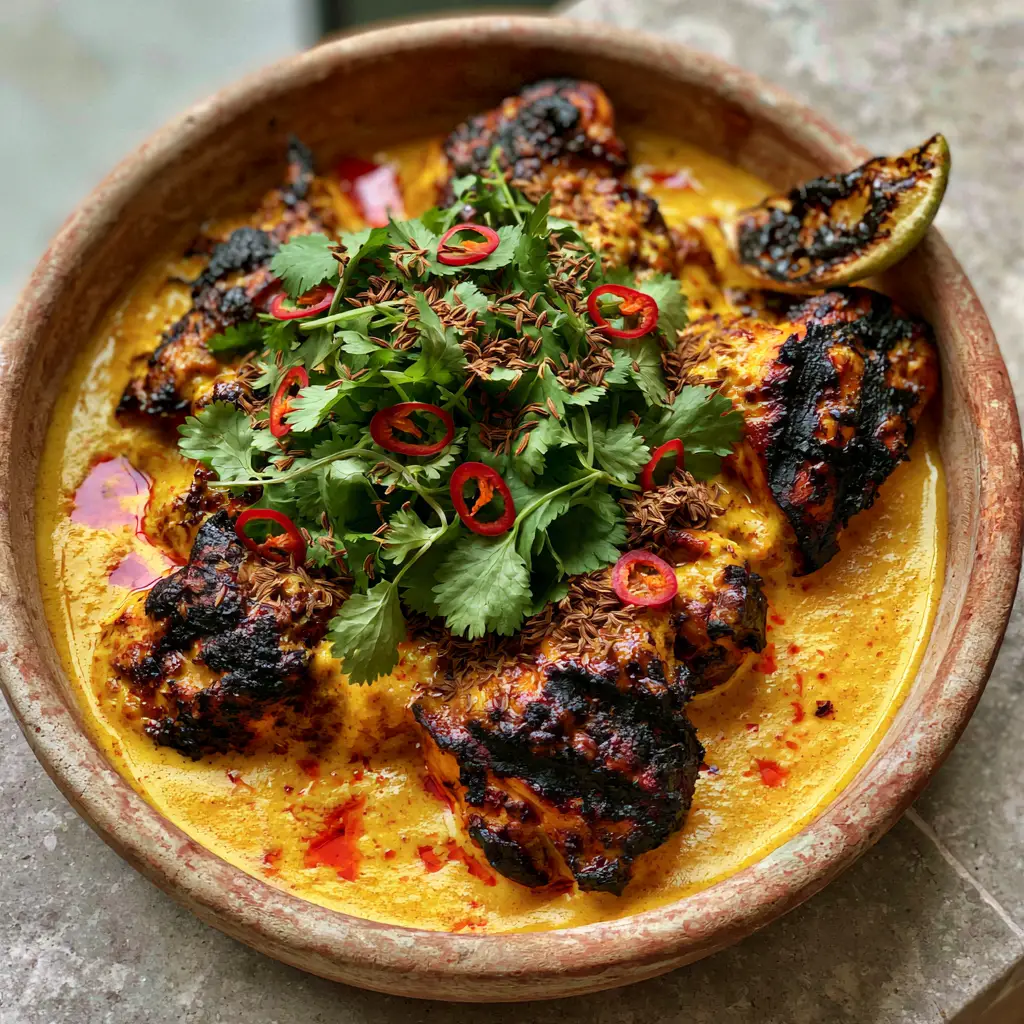
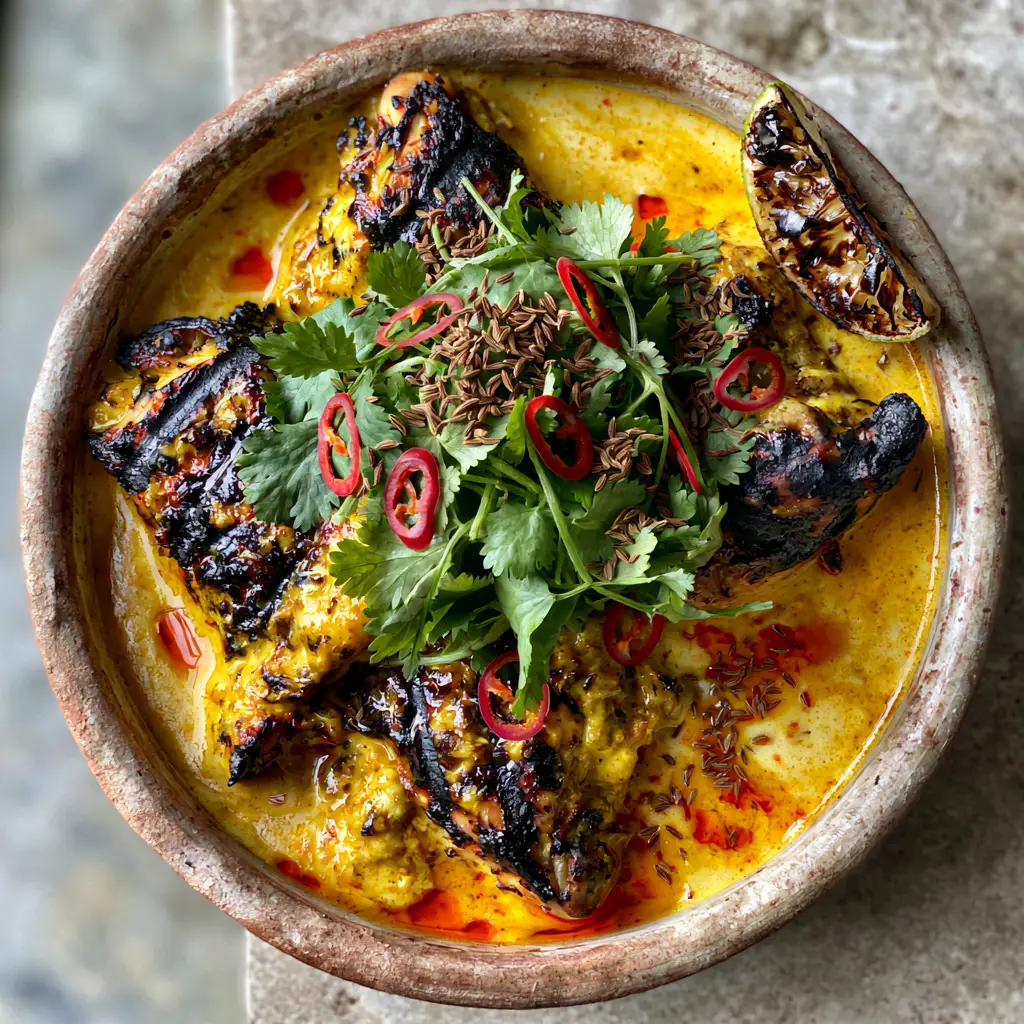
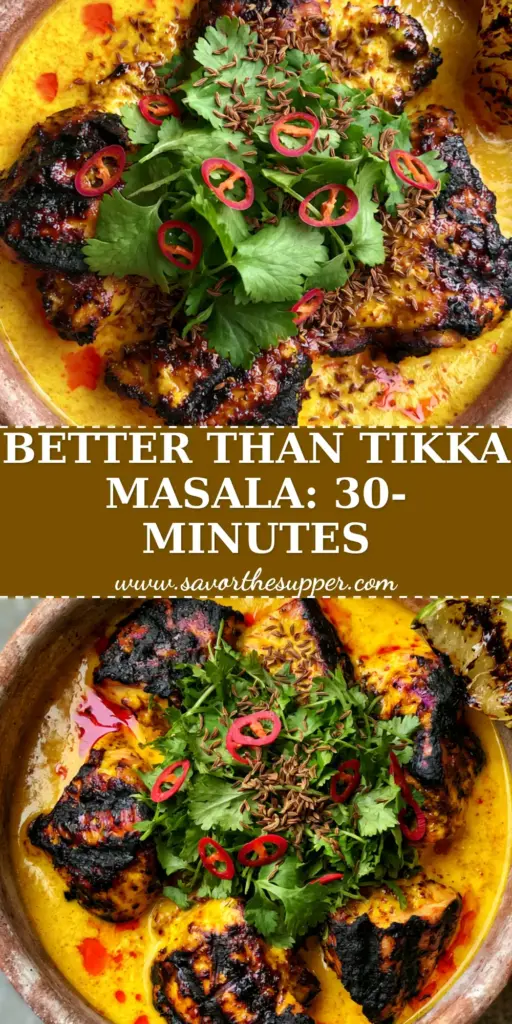
The visual appeal of this dish is undeniable, characterized by succulent chicken pieces boasting deep black char marks nestled in a thick, vibrant golden-yellow coconut sauce. A glossy drizzle of red chili oil breaks the surface, while fresh cilantro and sliced bird’s eye chilies provide a pop of color that promises a complex, multi-layered heat.
In this comprehensive guide, we will explore the forensic details of achieving that perfect grill-to-sauce ratio. We will dive into the science of coconut milk emulsification and the art of the perfect char, ensuring your kitchen transforms into a seaside Mombasa eatery for the evening.
Why This Authentic Kenyan Coconut Curry Wins Every Time
- The Smoky-Creamy Contrast: Unlike standard curries where meat is simmered, this Kuku Paka recipe requires flame-grilling the chicken first to create a smoky barrier that cuts through the rich coconut fat.
- Vibrant Visual Sophistication: The contrast between the golden turmeric-infused sauce and the glossy red chili oil drizzle makes this a restaurant-quality centerpiece.
- Textural Complexity: Every bite offers the crunch of toasted cumin seeds, the snap of fresh bird’s eye chilies, and the tender, juicy give of grilled chicken.
- Aromatic Depth: The combination of fresh ginger, garlic, and toasted spices creates an olfactory experience that begins long before the first bite.
The Flavor Foundation: Essential Ingredients for Kuku Paka
Achieving the forensic visual accuracy of our blueprint requires specific ingredients that provide both pigment and structural integrity to the sauce. Here is what you will need for the most authentic Kuku Paka recipe experience.
The Chicken and Smoky Marinade
3 lbs (1.4kg) Chicken Thighs and Drumsticks: Bone-in, skinless pieces are preferred here as they withstand the high heat of the grill while remaining succulent and juicy inside. The bone also adds significant depth to the final simmered sauce.
2 tbsp (30g) Ginger-Garlic Paste: This serves as the aromatic base for the marinade. It penetrates the muscle fibers, tenderizing the meat while providing a sharp, spicy undertone that survives the flame-grilling process.
1 tbsp (15ml) Lemon Juice: The acid helps break down proteins and provides a bright top note. Scientifically, this acidity balances the heavy fats found in the coconut milk sauce later in the process.
The Golden-Yellow Coconut Sauce
2 cans (800ml) Full-Fat Coconut Milk: To achieve that thick, velvety texture seen in our visual blueprint, you must use full-fat milk. The high fat content is necessary for the sauce to hold the golden pigment of the turmeric without breaking.
1.5 tbsp (9g) Ground Turmeric: This is the primary colorant for our Kuku Paka recipe. Turmeric provides that iconic golden-yellow glow and a subtle earthy bitterness that defines the Swahili flavor profile.
2 tbsp (30ml) Vegetable Oil: Used for blooming the spices. Blooming releases fat-soluble flavor compounds that simply cannot be accessed by boiling in water-based liquids alone.
The Visual Finishes and Garnishes
2 tbsp (30ml) Red Chili Oil: This provides the “glossy red drizzle” and “tiny pools” mentioned in our prompt. You can use store-bought or quickly infuse oil with Kashmiri chili powder for that vibrant, translucent red hue.
1 tsp (2g) Cumin Seeds: These must be toasted in a dry pan until fragrant. They provide the “sprinkle of toasted cumin seeds” that adds a nutty, smoky crunch to the soft textures of the dish.
Fresh Cilantro and Bird’s Eye Chilies: These are not just garnishes; they provide the fresh, raw heat and herbaceous lift that prevents the rich coconut sauce from feeling overly heavy on the palate.
Essential Tools for Professional Results
To recreate the “deep black char marks” and the “velvety sauce” described in our visual guide, you will need a few specific pieces of kitchen equipment. A flame grill (charcoal or gas) is ideal, but a heavy-duty cast-iron grill pan is a suitable indoor alternative.
You will also need a high-speed blender to ensure the sauce aromatics (onions, ginger, garlic, and chilies) are completely liquified. This is the secret to the “glossy sheen” and smooth mouthfeel of a professional Kuku Paka recipe. A heavy-bottomed pot, such as a Dutch oven, is best for the final simmer to prevent the coconut milk from scorching.
Step-by-Step Instructions for Kuku Paka Perfection
1. Marinating for Maximum Tenderness
In a large glass bowl, combine the chicken pieces with the ginger-garlic paste, lemon juice, 1 tsp (6g) salt, and 1 tsp (2g) black pepper. Massage the aromatics into the meat, ensuring every crevice is coated. Cover and refrigerate for at least 2 hours, though overnight is preferred for the deepest flavor penetration.
2. The Flame-Grill Transformation
Preheat your grill to high heat (approximately 450°F / 230°C). Lightly oil the grates to prevent sticking. Place the marinated chicken on the grill and sear for 5-6 minutes per side. You are looking for those “deep black char marks” and visible grill lines. The chicken should be about 80% cooked through at this stage; the remaining 20% will happen in the sauce.
While the chicken is on the grill, place your lime wedges directly onto the hot grates for 2 minutes. This creates the “charred lime wedge” that will sit on the rim of the bowl, adding a concentrated, smoky citrus aroma to the final presentation.
3. Crafting the Velvety Golden Sauce
While the chicken rests, prepare the sauce base. In a blender, combine one chopped onion, 3 cloves of garlic, and 2 green chilies with a splash of water. Blend until a smooth paste forms. In your Dutch oven, heat 2 tbsp (30ml) of oil over medium heat. Add the onion paste and sauté for 5-7 minutes until the raw smell disappears and the water has evaporated.
Stir in the ground turmeric, coriander, and cumin. Allow the spices to bloom in the oil for 60 seconds until fragrant. Pour in the full-fat coconut milk and whisk continuously. Bring to a gentle simmer—do not boil rapidly, or the coconut milk may separate, ruining the “velvety” texture.
4. The Final Flavor Fusion
Gently nestle the flame-grilled chicken pieces into the bubbling golden sauce. Any juices that escaped while the chicken was resting should be poured back into the pot—that is pure flavor. Simmer on low heat for 10-15 minutes. The sauce should thicken until it coats the back of a spoon with a glossy sheen.
5. Forensic Plating and Garnishing
Transfer the curry into a rustic clay bowl. Now, we apply the visual layers. Drizzle the red chili oil in a circular motion, allowing it to form tiny pools on the surface. Scatter the fresh cilantro leaves in a central cluster. Evenly distribute the thin rounds of red bird’s eye chili and the toasted cumin seeds. Finally, place the charred lime wedge on the rim of the bowl.
Expert Tips for Success
- Don’t Skip the Char: The char marks are not just for aesthetics; they provide the “Paka” (smoky) element of the dish. If you don’t have a grill, use a kitchen blowtorch on the chicken after pan-searing.
- Prevent Sauce Separation: Always use room temperature coconut milk. Cold milk added to a hot pan is more likely to curdle. Keep the heat at a low simmer once the milk is added.
- Toast Your Seeds: Always toast the cumin seeds in a dry pan for 30-60 seconds before garnishing. The difference in flavor and aroma is night and day.
- Control the Heat: The bird’s eye chilies are potent. For a milder Kuku Paka recipe, remove the seeds before slicing the garnishes.
Optimal Storage and Reheating
Kuku Paka is one of those rare dishes that tastes even better the next day as the spices continue to meld. Store leftovers in an airtight container in the refrigerator for up to 3 days. When reheating, do so gently on the stovetop over low heat. If the sauce has thickened too much in the fridge, whisk in a tablespoon of water or extra coconut milk to restore the velvety consistency.
Freezing is possible for up to 2 months, though the texture of the coconut milk may change slightly upon thawing. Defrost overnight in the fridge before reheating slowly.
What to Serve With This Kuku Paka Recipe
To fully enjoy the rich, golden sauce, you need the right accompaniments. A bowl of fluffy coconut rice (coming soon) is the traditional choice, acting as a sponge for the velvety curry. If you prefer something with a bit of a crunch to contrast the tender chicken, these crispy zucchini fritters make an excellent side dish.
For a refreshing palate cleanser between spicy bites, a simple chilled cucumber salad provides the necessary hydration and crispness. If you are hosting a larger feast, consider adding savory fried rice to the table for a fusion of African coastal flavors.
Frequently Asked Questions
Yes, you can substitute the chicken for flame-grilled cauliflower steaks or firm tofu. The coconut sauce itself is naturally dairy-free and vegan-friendly.
While you can use breast, bone-in thighs and drumsticks are highly recommended. Breast meat dries out quickly on the high-heat grill required for the char marks, whereas dark meat stays succulent.
The vibrant golden-yellow color comes from ground turmeric. To get the best color, ensure you bloom the turmeric in oil before adding the coconut milk to release its fat-soluble pigments.
It has a medium heat profile. The warmth comes from the ginger, garlic, and bird’s eye chilies. You can control the heat by adjusting the amount of sliced chilies used as a garnish.
In Swahili, ‘Kuku’ means chicken. ‘Paka’ refers to the action of smearing or coating, but in the context of this dish, it often implies the smoky, grilled nature of the chicken before it is coated in the coconut sauce.
The Final Kuku Paka Recipe Card
Kuku Paka Recipe: The Ultimate Smoky Kenyan Coconut Chicken Curry
Ingredients
Equipment
Method
- Coat chicken in ginger-garlic paste, lemon juice, salt, and pepper. Marinate for at least 2 hours.
- Place chicken on a high-heat grill. Sear until deep black char marks and visible grill lines form on all sides. Char lime wedges simultaneously.
- Blend onion, ginger, garlic, and chilies into a paste. Sauté in oil with turmeric and spices until fragrant.
- Whisk in coconut milk and simmer. Add chicken and cook until the sauce is thick, velvety, and vibrant golden-yellow.
- Transfer to a bowl. Drizzle with red chili oil, sprinkle with toasted cumin seeds, cilantro, and sliced chilies. Add charred lime.
Notes
Toast cumin seeds in a dry pan until they pop for the best texture.
Closing & Call to Action
This Kuku Paka recipe is more than just a meal; it is a journey to the Swahili coast. The combination of smoky, flame-grilled chicken and that rich, golden coconut sauce creates a dining experience that is both comforting and exotic. Whether you are cooking for a special occasion or simply want to elevate your weeknight dinner rotation, this dish is guaranteed to impress.
If you enjoyed this recipe, please leave a comment below and let us know how your char marks turned out! Don’t forget to follow us on Pinterest for more visually stunning and delicious recipes. Happy cooking!