Spaghetti Aglio e Olio is the quintessential expression of Italian culinary philosophy, proving that five humble ingredients can create a world-class masterpiece. This dish is a sensory journey, beginning with the intoxicating aroma of garlic gently infusing into a pool of liquid gold.
In our modern kitchens, we often overcomplicate flavor, but this traditional pasta relies on the precision of technique rather than the quantity of components. When executed correctly, each strand of pasta is perfectly coated in a shimmering, emulsified sauce that clings to the starch.
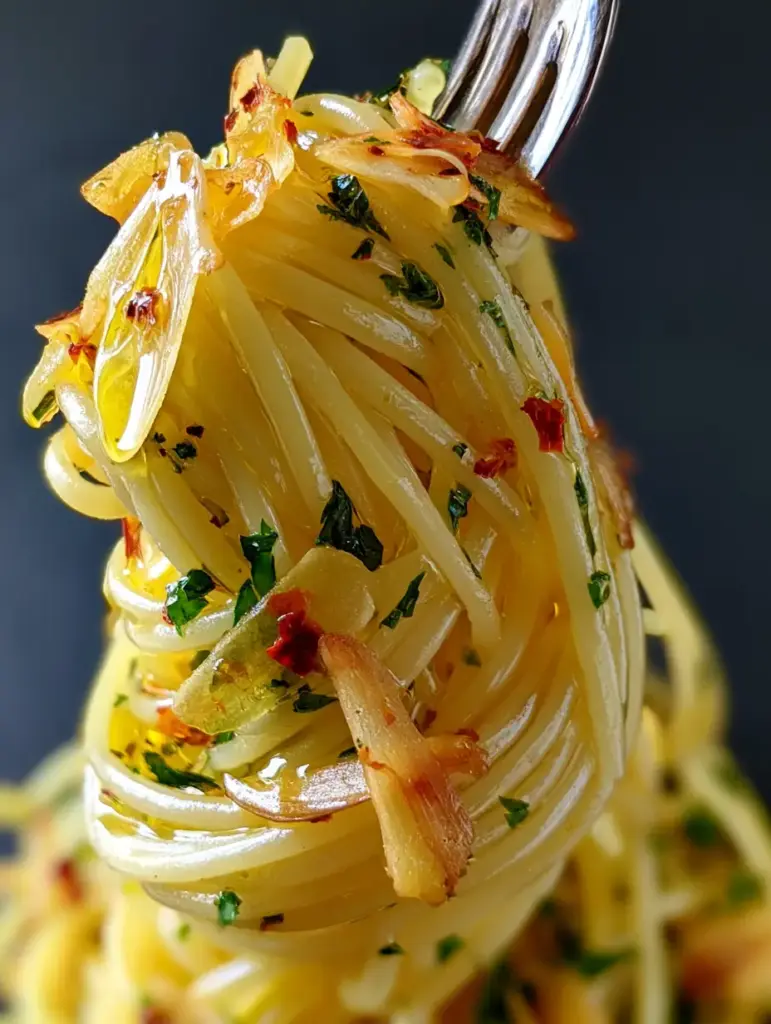
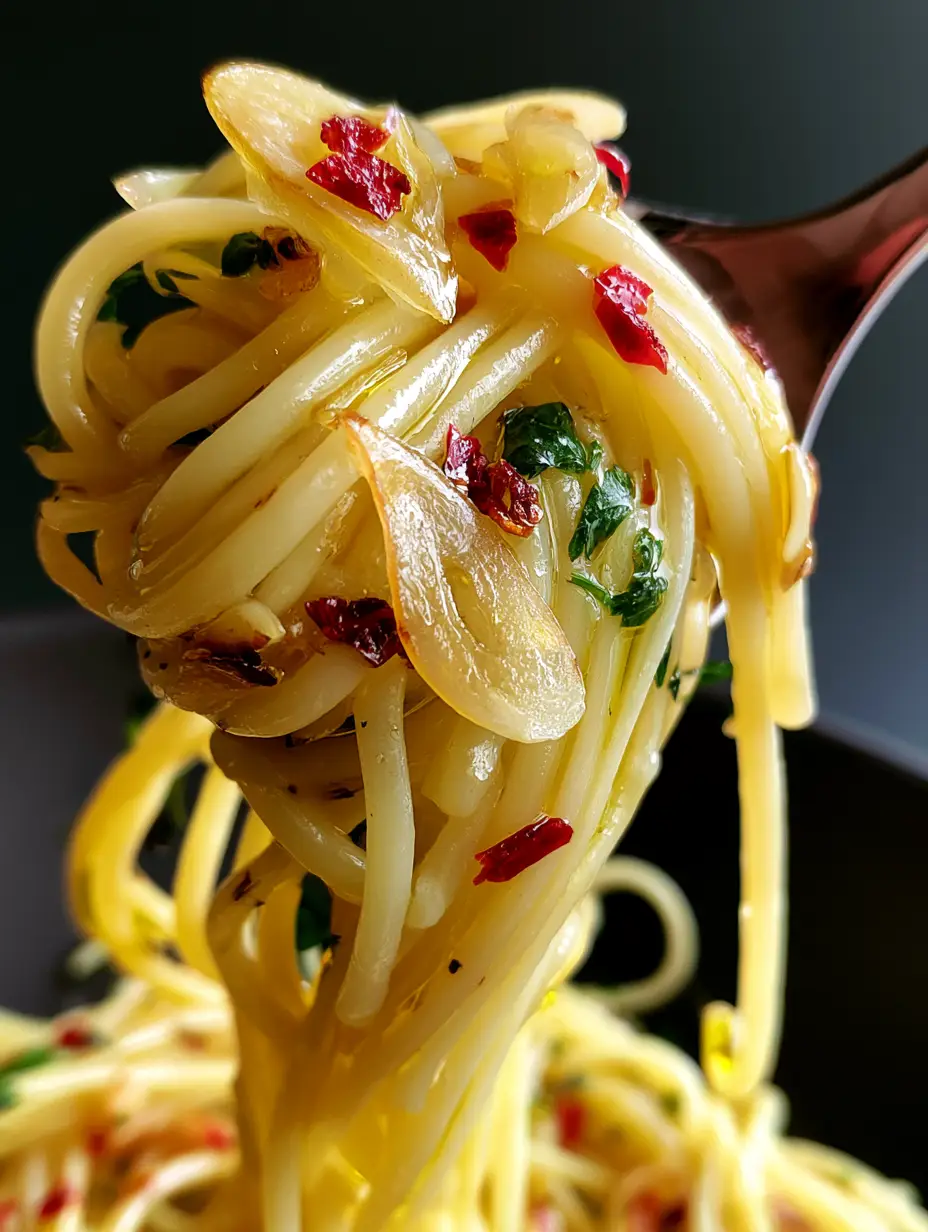
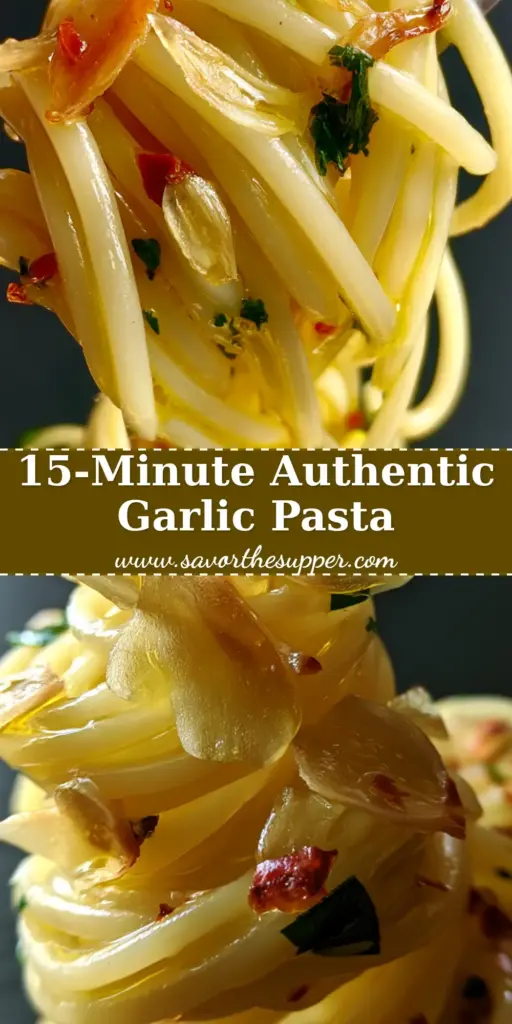
The visual appeal of a tall, elegant twirl of spaghetti, glistening intensely with extra virgin olive oil, is enough to stop any diner in their tracks. It is a dish that celebrates the textures of translucent garlic slivers and the vibrant contrast of emerald parsley against ruby-red chili flakes.
The Essential Elements for a Glistening Pantry Masterpiece
- Technique over Complexity: This recipe focuses on the “mantecatura” process, where pasta water and oil marry into a creamy coating.
- Aromatic Depth: We utilize slow-toasted garlic slivers to ensure a nutty sweetness without a hint of bitterness.
- Textural Contrast: The “al dente” bite of the pasta provides a sturdy backbone to the silkiness of the infused olive oil.
- Visual Vibrancy: Freshly chopped flat-leaf parsley and bright chili flakes provide the “pop” required for a restaurant-quality presentation.
The Pillars of a Perfect Pantry Pasta: Ingredients and Substitutions
Dried Spaghetti (454g / 1 lb): The foundation of the dish must be a high-quality, bronze-cut pasta. This texture allows the oil to “trap” the flavors effectively, unlike smooth-surface mass-produced noodles.
Extra Virgin Olive Oil (120ml / 1/2 cup): Since oil is the primary sauce, use the highest quality cold-pressed oil you have. Look for notes of grass or pepper to complement the heat of the chili flakes.
Fresh Garlic (8 large cloves): These must be sliced into paper-thin, translucent slivers to achieve the visual and textural standard of our blueprint. Avoid pre-minced garlic at all costs, as it lacks the nuanced sweetness required here.
Red Pepper Flakes (1 tsp / 2g): These bright ruby-red flakes provide a gentle, building heat that cuts through the richness of the fat. You can adjust the quantity based on your personal preference for spice.
Fresh Flat-Leaf Parsley (30g / 1/2 cup): Finely chopped emerald-green parsley adds a necessary herbaceous brightness. It should be added at the very end to preserve its color and delicate volatile oils.
Coarse Sea Salt: Use this for both the pasta water and the final seasoning to create those distinct specular highlights and pops of mineral flavor. If you enjoy garlic-heavy pasta dishes, you will appreciate how salt elevates the aromatic profile.
Pasta Cooking Water (1 cup reserved): This “invisible” ingredient is the secret to a professional emulsion. The starch in the water acts as a bridge between the fat and the pasta.
Precision Tools for the Home Chef
Achieving the extreme macro beauty of this dish requires the right equipment. A heavy-bottomed stainless steel or cast iron skillet is essential for even heat distribution when toasting the garlic slivers.
A sharp mandoline or a professional chef’s knife is necessary to achieve those translucent, paper-thin garlic cuts. You will also need a large pasta pot (6-8 quarts) to allow the spaghetti enough room to move without sticking.
Finally, a set of silicone-tipped tongs is the best tool for creating that “tall, elegant twirl” on the plate. Tongs allow for the controlled movement needed to emulsify the sauce during the final stages of cooking.
Step-by-Step: From Raw Aromatics to Glistening Perfection
1. The Art of the Perfect Boil
Bring 4 liters (about 4 quarts) of water to a rolling boil in a large pot. Add 2 tablespoons (35g) of sea salt; the water should taste like the Mediterranean Sea.
Drop the spaghetti and cook for 2 minutes less than the package directions suggest. We are looking for a true “al dente” center, as the pasta will finish cooking in the oil and pasta water later.
2. Slicing and Infusing the Garlic
While the pasta boils, peel your garlic cloves and slice them into paper-thin, translucent slivers. In your large skillet, combine the extra virgin olive oil and the garlic slivers over medium-low heat.
Watch for the first signs of shimmering oil and tiny bubbles forming around the garlic. This is the sound of flavor extraction beginning; do not rush this process with high heat.
3. Achieving the Golden Toast
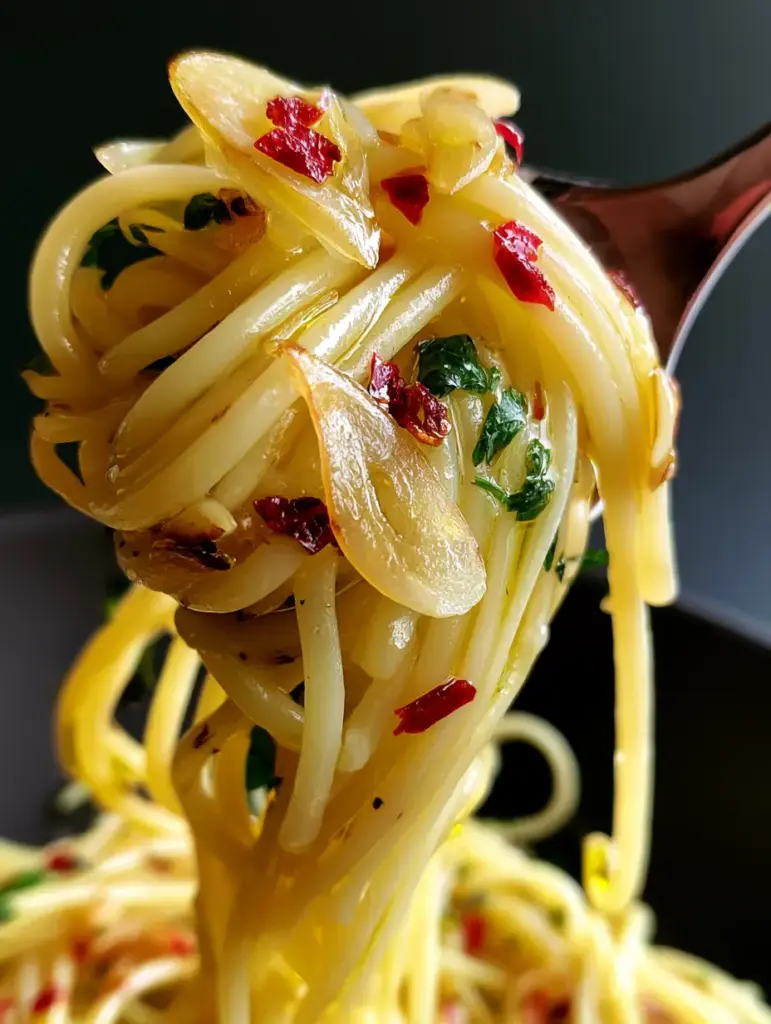
Stir the garlic occasionally until the slivers turn a light, perfectly toasted golden brown. They should look like delicate amber glass, not dark or burnt, which would make the dish bitter.
Add the ruby-red dried chili flakes to the oil during the last 30 seconds of toasting. This “blooms” the spice, releasing its oils and turning the sauce a faint, vibrant orange-gold.
4. The Emulsification (The Mantecatura)
Before draining the pasta, reserve at least 1 cup (240ml) of the starchy cooking water. Add the undercooked spaghetti directly into the skillet with the garlic and oil using your tongs.
Pour in half of the reserved pasta water and increase the heat to medium. Toss vigorously with the tongs, creating a swirling motion that emulsifies the oil and water into a glistening, creamy sauce.
5. The Final Emerald Flourish
Once the liquid has reduced and coated every strand, remove the skillet from the heat. Toss in the finely chopped fresh flat-leaf parsley and a final pinch of coarse sea salt.
The parsley should remain vibrant emerald-green, trapped in the oil coating the strands alongside the chili flakes. If the pasta looks dry, add a splash more pasta water until it glistens intensely under the light.
Expert Tips for Success
- Temperature Control: If your garlic begins to brown too quickly, immediately add a splash of the pasta water to the pan to drop the temperature and stop the cooking.
- The Starch Factor: Never rinse your pasta. The surface starch is what allows the Aglio e Olio sauce to cling to the spaghetti rather than pooling at the bottom of the bowl.
- Oil Quality: If you wouldn’t dip a piece of crusty ciabatta bread into the oil, don’t use it for this recipe. The oil is the soul of the dish.
- The Twirl Technique: To get that “tall, elegant twirl” seen in professional food photography, use a carving fork or long tongs to twist a portion of pasta inside a deep ladle before sliding it onto the plate.
Storage, Reheating, and Freezing
Spaghetti Aglio e Olio is best enjoyed immediately while the emulsion is at its peak. However, leftovers can be stored in an airtight container in the refrigerator for up to 2 days.
To reheat, avoid the microwave, which can cause the oil to separate and the pasta to become rubbery. Instead, place the pasta in a skillet with a tablespoon of water or a drizzle of fresh oil over medium-low heat until warmed through.
This dish does not freeze well, as the delicate texture of the toasted garlic and the emulsion of the sauce will break upon thawing. For the best experience, always cook this fresh; it only takes 15 minutes!
Complementary Pairings for an Italian Feast
This minimalist pasta serves as a wonderful base for a larger Mediterranean spread. You might consider serving it alongside seafood-infused garlic sauces if you want to elevate the protein content of your meal.
For those exploring more Mediterranean-inspired meals, a side of roasted vegetables or a crisp arugula salad provides a bitter contrast to the rich olive oil. The simplicity of the Aglio e Olio also makes it a perfect companion to heavier meat dishes or a light fish preparation.
Frequently Asked Questions
While traditionalists omit cheese to let the olive oil shine, many enjoy a sprinkle of Pecorino Romano or Parmesan. Note that this changes the dish from a classic Aglio e Olio to a richer variation.
Absolutely. Since olive oil is the primary flavor component, using a high-quality, extra virgin olive oil is essential for the characteristic peppery and grassy notes of the dish.
The secret is emulsification. By tossing the pasta with reserved starchy cooking water and the oil over heat, you create a creamy sauce that binds to the spaghetti rather than separating.
Long, thin strands like Spaghetti, Spaghettini, or Linguine are best. Their surface area is ideal for being coated by the light, oil-based sauce.
Bitterness usually occurs if the garlic is browned too quickly or too deeply. Garlic should be toasted to a light golden-amber color; if it turns dark brown or black, the oils become acrid.
The Perfect Spaghetti Aglio e Olio Recipe Card
Spaghetti Aglio e Olio: The Ultimate Masterclass in Roman Simplicity
Ingredients
Equipment
Method
- Bring a large pot of salted water to a boil. Cook spaghetti for 2 minutes less than the package directions until very al dente.
- In a large skillet, combine olive oil and paper-thin garlic slivers. Heat over medium-low until the garlic is a light golden brown and translucent.
- Add the red pepper flakes to the oil and cook for 30 seconds until fragrant.
- Add the pasta and 1/2 cup of reserved water to the skillet. Toss vigorously over medium heat until the sauce is glistening and coats the strands.
- Remove from heat, toss in the fresh parsley and coarse sea salt, and serve immediately in tall twirls.
Notes
Reserve more pasta water than you think you need to adjust the sauce consistency.
Bring the Flavors of Italy to Your Kitchen
Spaghetti Aglio e Olio is more than just a quick dinner; it is a testament to the power of high-quality ingredients and classic technique. Whether you are a beginner or a seasoned pro, mastering this dish is a rite of passage for any home cook.
We invite you to share your results and tag us on social media! If you enjoyed this masterclass, consider signing up for our newsletter for more deep dives into culinary science. Don’t forget to save this recipe to your “Pasta Obsession” board on Pinterest for easy access next time the craving hits.